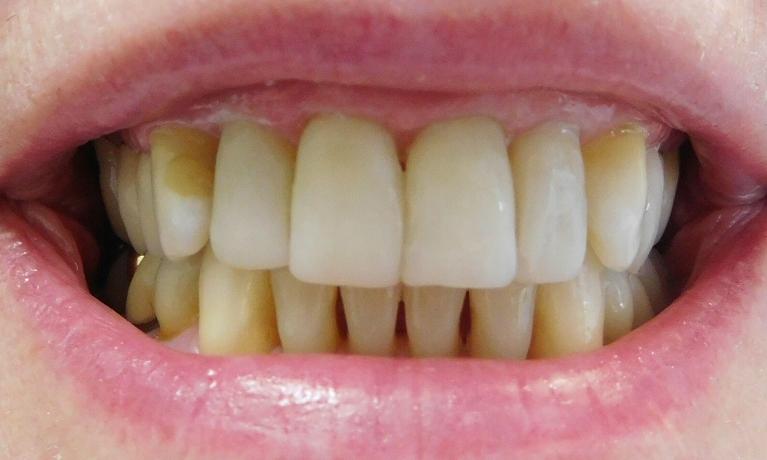
Dental Bonding
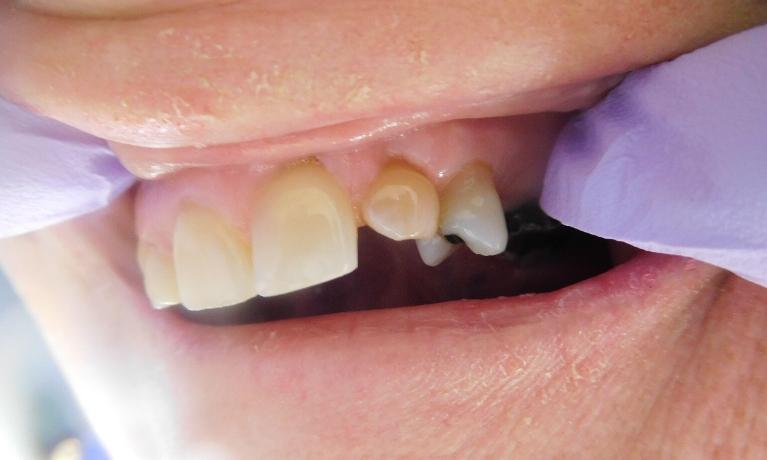
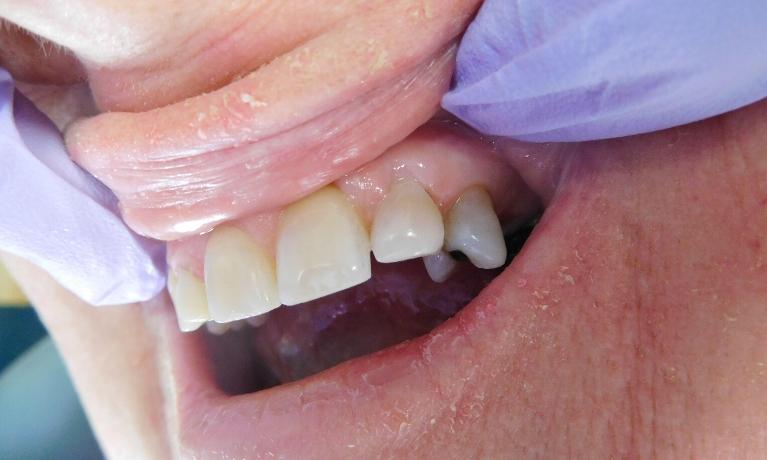
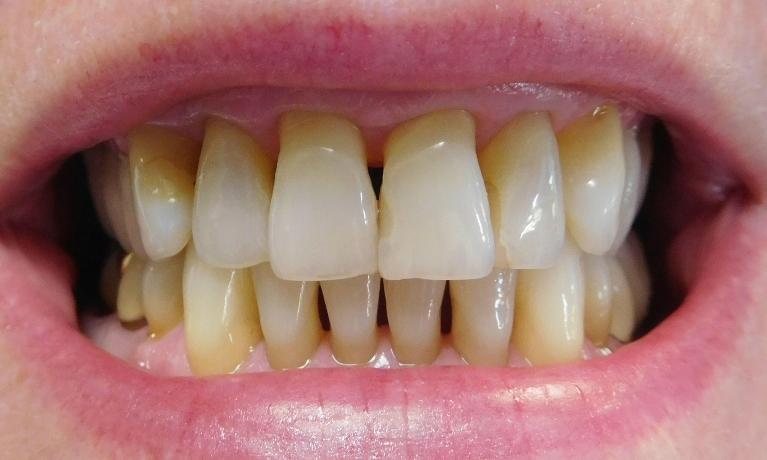
Sometimes the smallest of imperfections can distract from a perfect smile. If you have a cosmetic issue on a front tooth, dental bonding can be a quick, inexpensive, and non-invasive way to correct it. Bonding may be used for all of the following conditions:
- Stained or discolored teeth
- Stained or discolored fillings
- Spaces or gaps between teeth
- Teeth with irregular or short lengths
- Jagged teeth
- Chipped teeth
What does a dental bonding appointment involve?
First, the dentist will assess the color of your teeth and select a custom color palette of filling material, or dental composite, to match your natural shade. If you look closely at your teeth, you will notice that the color varies from top to bottom and throughout different parts of the tooth. Your dentist will take this into account and layer different colors to achieve the most lifelike appearance.
Next, we will shape your tooth to prepare the surface for adding material and to smooth out any sharp edges. We add a series of surface treatments and adhesives which help to lock on the bonding material. We then add the bonding material itself in layers and use a special light to help it set into the shape of your tooth.
After enough material has been added, the dentist will contour, smooth, and polish the tooth or teeth treated. This brings out the luster and gloss on the surface of your teeth.
The final and best part of all is bringing out the mirror to show you your new and improved smile!
Do I have to get a shot?
One thing a bonding appointment usually does not involve is a needle! Because there is a very minimal amount of drilling required for dental bonding, most patients will not need an  injection beforehand. That means no prick, and it also means you leave with your lip still feeling normal. During the procedure, if you have sensitive teeth you may feel the coldness of the water we use on your teeth, but most patients do not experience pain. This makes bonding an even more attractive and convenient way to beautify your smile!
How long does dental bonding take?
For most patients, bonding is one of the quickest ways to see dramatic changes in the shape of their teeth. Most of the time we only need one appointment, and for single teeth that appointment is usually less than an hour long.
Can I eat afterward?
After a bonding appointment, you can eat right away. However, we do advise that patients with bonding avoid strongly stained foods such as chocolate or wine immediately after the procedure. Long term, we suggest that patients with bonding avoid biting directly on the bonded teeth, as the material we use is not as strong as your natural teeth.
Frequently Asked Questions
Whether you need a filling, dental crown, or root canal depends on how much of the tooth is damaged and whether the nerve inside the tooth is affected. At Harte Dental in Milton, MA, your dentist will examine the tooth and may take an X-ray to determine the most appropriate treatment.
A filling is commonly used for a smaller cavity or minor tooth damage. A crown may be recommended when a tooth has a large cavity, significant fracture, or is too weakened for a filling alone. A root canal may be needed when decay, a crack, or an injury reaches the pulp—the nerve and blood supply inside the tooth—and causes inflammation or infection.
Symptoms such as tooth pain, sensitivity, swelling, or pain when biting should be evaluated by a dentist. Early treatment can sometimes help preserve more of your natural tooth and prevent the problem from becoming more serious.
Yes. Harte Dental in Milton, MA takes patient and team safety seriously. We follow current infection-control and sterilization standards for dental offices, including guidance from the CDC and American Dental Association (ADA). Our safety measures include proper sterilization of dental instruments, thorough cleaning and disinfection of treatment areas between patients, hand hygiene, appropriate personal protective equipment (PPE), and precautions designed to reduce the spread of respiratory and other infectious illnesses.
Many of these measures are not specific to COVID-19—they are part of the standard infection-control practices used every day in modern dentistry to provide a clean, safe environment for our patients and dental team.
If you are experiencing COVID-19, flu, or other respiratory symptoms before your dental appointment, please contact Harte Dental so our team can help determine the best next step.
Following the WHO and America declaring the end of the Public Emergency on 5/12/23, we DO NOT REQUIRE MASKS for our patients. Of course, you are more than welcome to wear a mask here if you wish! We will still offer masks as well.