
Root Canal Treatment
Root Canal Treatment in Milton, MA
Root canal treatment can relieve tooth pain, treat infection, and help save your natural tooth. At Harte Dental in Milton, MA, we carefully evaluate your symptoms, explain your options clearly, and help coordinate the treatment needed to restore your comfort and oral health.
Signs You May Need a Root Canal
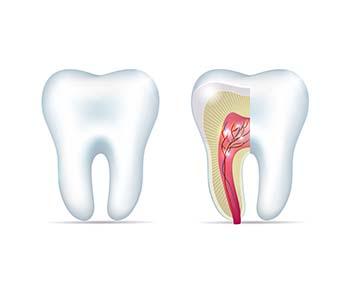
You may need a root canal when the pulp—the soft tissue containing nerves and blood vessels inside your tooth—becomes inflamed, damaged, or infected. This may result from deep decay, a crack, trauma, repeated dental treatment, or a damaged filling or crown.
Common warning signs include:
- Persistent or severe tooth pain
- Pain when biting or chewing
- Sensitivity to hot or cold that lingers
- Swollen or tender gums
- A pimple-like bump on the gums
- Facial swelling
- A chipped or cracked tooth
- Darkening or discoloration of a tooth
- Drainage or a bad taste in your mouth
Some infected teeth produce few noticeable symptoms, which is why a dental examination and X-rays are necessary for an accurate diagnosis.
What Happens During Root Canal Treatment?
Root canal treatment removes inflamed or infected tissue from inside the tooth while preserving the natural tooth structure. After the tooth is fully numbed, the dentist or endodontist creates a small opening, carefully cleans and disinfects the root canals, and fills and seals the space to help prevent reinfection.
A temporary filling may be placed until the tooth is ready for its permanent restoration. Depending on the tooth’s location and remaining structure, a filling or dental crown may then be used to protect the tooth and restore normal chewing function.
Are Root Canals Painful?
Modern root canal treatment is performed with local anesthesia, so most patients feel pressure or movement rather than sharp pain. The procedure is intended to relieve the discomfort caused by an inflamed or infected tooth and often feels similar to having a filling completed.
Mild soreness or sensitivity when biting can occur for several days afterward. This discomfort should gradually improve. Contact your dentist if pain becomes severe, worsens, or continues longer than expected.
How Many Visits Are Required for a Root Canal?
Many root canals can be completed in one or two treatment appointments. Each visit commonly lasts approximately 60 to 90 minutes, although the exact time depends on the tooth, the number and shape of its roots, and the extent of the infection.
A complicated molar, severe infection, or tooth with unusual root anatomy may require additional treatment. Placement of a permanent filling or crown may also require a separate appointment after the root canal has been completed.
Will I Need a Crown After a Root Canal?
Many teeth require a crown after root canal treatment, but not every tooth does. Molars and premolars withstand significant chewing pressure and commonly benefit from crowns that help protect them from cracking or breaking.
A front tooth may sometimes be restored with a filling or another restoration, depending on how much healthy tooth structure remains. Your dentist will evaluate the tooth and recommend the most appropriate option for long-term strength, function, and appearance.
Root Canal Versus Tooth Extraction
When a tooth can be predictably restored, root canal treatment may allow you to preserve your natural tooth, maintain your bite, and avoid leaving an empty space. Saving the tooth can also prevent the need for replacement with a dental bridge or implant.
Extraction may be recommended when a tooth is severely fractured, lacks adequate bone support, or cannot be successfully restored. At Harte Dental, we will explain the benefits, limitations, expected costs, and long-term considerations of each option so you can make an informed decision.
Recovery and Aftercare
Most patients can return to work, school, and their normal activities on the same day or the following day. Your mouth may remain numb for two to four hours, and the tooth may feel tender for several days while the surrounding tissues heal.
After root canal treatment:
- Avoid eating until the numbness has completely worn off.
- Avoid hard, sticky, or chewy foods around the treated tooth.
- Do not chew heavily on the tooth until its permanent restoration is placed.
- Brush and floss normally unless instructed otherwise.
- Take medication only as directed by your dentist.
- Attend all recommended follow-up and restorative appointments.
Call your dentist if you develop increasing pain, significant swelling, fever, or a temporary filling or crown that becomes loose or falls out.
Root Canal Cost, Insurance, and Payment Information
The cost of root canal treatment depends on which tooth requires treatment, the complexity of its roots, whether a specialist is needed, and the type of permanent restoration placed afterward. Molars generally cost more to treat because they typically have more roots and canals.
Many dental insurance plans provide partial coverage for medically necessary root canal treatment, although deductibles, annual maximums, waiting periods, and coverage percentages vary. Coverage for the final crown or restoration may be calculated separately.
Harte Dental is in-network with Blue Cross Blue Shield Dental and many Delta Dental plans, excluding Delta Dental EPO. We also work with many other dental insurance companies. Our knowledgeable team can review your benefits and request a pre-treatment estimate when appropriate to help you understand your expected out-of-pocket cost before treatment begins.
When to Call Harte Dental Urgently
Contact Harte Dental promptly if you have severe or worsening tooth pain, pain that keeps you awake, facial or gum swelling, fever, drainage, a bad taste, pain when biting, or a pimple-like bump on your gums. These symptoms may indicate an infection or dental abscess that should not be ignored.
We make every effort to accommodate urgent dental problems as quickly as possible. Call Harte Dental at 617-696-5257 so our team can evaluate your symptoms and determine the appropriate next step.
Rapidly increasing swelling, swelling extending toward the eye or neck, or difficulty breathing or swallowing may indicate a serious spreading infection. Call 911 or seek emergency medical care immediately for breathing or swallowing difficulty, and arrange prompt dental follow-up.
Is Root Canal Treatment Completed at Harte Dental or by a Specialist?
Your first step is a thorough evaluation at Harte Dental in Milton. We will examine the tooth, discuss your symptoms, and take any necessary digital X-rays to determine whether root canal treatment is appropriate.
Harte Dental currently refers root canal cases to trusted endodontist offices throughout the South Shore. An endodontist is a dentist with advanced training in diagnosing tooth pain and treating problems involving the pulp and root canals. Our team will help coordinate your referral and communicate with the specialist to make the process as convenient and seamless as possible.
After the root canal is completed, you will return to Harte Dental for any necessary permanent filling, dental crown, or follow-up care needed to restore and protect the tooth.
Harte Dental is also actively exploring an expansion that would include an endodontist and allow patients to receive specialized root canal care more conveniently within our practice. Until that service becomes available, we will continue working closely with trusted South Shore endodontic offices to help our patients receive timely, high-quality specialty care.
Frequently Asked Questions
Understanding the process can often remove a great deal of the fear surrounding dental procedures. During a root canal, the goals of treatment are to stop the infection, prevent further damage, and relieve your pain.
We begin by making sure that you are numb and comfortable. The next step is to use special instruments to carefully and thoroughly clean out the infection from your tooth and remove the infected or damaged nerve. If necessary, we may place an antibiotic treatment to prevent re-infection.
The cavity in your tooth will be filled and sealed, and a crown may be placed. You may experience some soreness following the procedure as part of your body’s natural reaction to any type of perceived injury, but this will quickly fade and you will feel much better.
A dentist determines whether you need a root canal by reviewing your symptoms, examining the tooth and taking dental X-rays. The dentist may also test the tooth’s response to temperature, biting pressure or gentle tapping. A root canal may be recommended when the pulp—the soft tissue containing nerves and blood vessels inside the tooth—has become irreversibly inflamed, damaged or infected.
Possible signs include persistent tooth pain, pain when biting, lingering sensitivity to hot or cold, swelling, a pimple or bump on the gums, tooth discoloration, or a chipped or cracked tooth. However, an infected tooth does not always cause obvious symptoms. A dental examination and X-rays are necessary to determine whether root canal treatment is appropriate.
During root canal treatment, the tooth is numbed with local anesthesia. The inflamed or infected tissue is removed from inside the tooth, and the canals are carefully cleaned, disinfected, filled and sealed. A temporary or permanent restoration is then placed. Depending on the tooth, a dental crown may be recommended afterward to protect it from breaking and restore normal function. We receive a letter from the endodontist and schedule your beautiful crown appointment here!
Many root canal procedures take approximately 60 to 90 minutes, although treatment time varies according to the tooth and the complexity of its roots. Some teeth can be treated in one appointment, while others may require two or more visits. Molars, severe infections and teeth with complicated root anatomy may require additional time or treatment by an endodontist.